
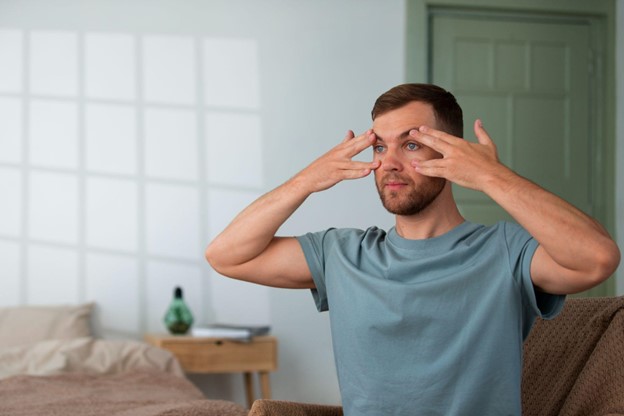
5 Exercises for Your Eyes That Really Reduce Strain
In today’s world, most of us spend hours in front of screens. From computers at work to phones at home, and even television in the evenings, our eyes get little rest. This constant focus can lead to discomfort, headaches, blurred vision, or even long-term problems if left unchecked.
Thankfully, there are simple exercises you can do daily to protect your eyes. Incorporating eye exercises for strain into your routine helps reduce discomfort, improve focus, and support overall eye health. Research shows that practices like eye yoga and targeted ocular exercises can significantly decrease eye fatigue and improve comfort for people who use screens extensively
1. The 20-20-20 Rule
One of the simplest and most effective ways to reduce eye fatigue is the 20-20-20 rule. Every 20 minutes, take a short break from your screen and focus on something 20 feet away for 20 seconds. This gives your eye muscles a chance to relax and recover from prolonged screen use.
For example, if you work at a desk, glance out a window at a distant tree, building, or even a wall across the room. This brief pause prevents eye strain, refreshes your focus, and is one of the easiest eye exercises to practice throughout the day. Research and expert guidance from Healthline emphasize that following the 20-20-20 rule can significantly reduce symptoms of digital eye strain and support long-term eye health. Over time, incorporating this routine can improve comfort, reduce fatigue, and maintain clearer vision.
2. Eye Rolling
Eye rolling is a simple and effective exercise to relieve tension and improve circulation around the eyes. Sit comfortably and slowly roll your eyes clockwise five times, then counterclockwise five times.
You can do this during a short break, while waiting for a meeting to start, or even during a phone call. Eye rolling can help reduce tension headaches, ease stiffness from staring at screens, and naturally reduce eye fatigue. Practicing it regularly strengthens the small muscles around the eyes, making long hours in front of screens less tiring.
3. Focus Shifts
Constantly staring at a fixed distance can strain your eyes. Focus shifts help exercise eye muscles and improve flexibility. Hold a finger a few inches from your face and focus on it for a few seconds. Then shift your gaze to an object further away, such as a picture on the wall or a distant window. Repeat this 10 times.
This exercise trains your eyes to adjust focus quickly, reduces discomfort, and helps improve eye health over time. People who work long hours on screens, like graphic designers or students, often notice that breaks to shift focus help reduce blurred vision and headaches. It’s a simple, practical way to keep eyes flexible and reduce fatigue.
4. Palming
Palming is a relaxation technique that calms tired eyes. Rub your hands together to create warmth, then gently cup your palms over your closed eyes without pressing. Hold for 30 seconds to a minute while taking deep breaths.
This exercise can feel like a mini-vacation for your eyes. Palming reduces tension, eases discomfort, and promotes relaxation, making it one of the best eye exercises for strain. You can do it after long hours of work, during study breaks, or even while traveling. Paired with other techniques, palming helps protect eyes and supports overall eye health.
5. Blinking Exercises
We often blink less frequently when staring at screens, which leads to dryness and irritation. A blinking exercise helps keep the eyes lubricated and reduces eye fatigue. Try the 10-10-10 exercise: blink normally for 10 seconds, gently close your eyes for 10 seconds, then open and focus for another 10 seconds. Repeat several times throughout the day.
Regular blinking exercises are simple yet effective for maintaining eye moisture, reducing strain, and improving comfort. They are especially helpful for anyone who works with computers or mobile devices for extended periods.
Studies published in Vision Research show that reduced blink rates during screen use significantly contribute to eye dryness and fatigue, and that conscious blinking exercises can restore tear film stability and reduce visual discomfort.
Additional Tips for Healthy Eyes
While eye exercises for strain are very effective, combining them with other habits maximizes results:
● Adjust screen settings: Reduce brightness and adjust contrast to comfortable levels.
● Proper lighting: Avoid harsh overhead lights or glare from windows.
● Maintain posture: Keep screens at eye level to avoid neck strain.
● Take breaks: Stand up and stretch your body and your eyes.
● Stay hydrated: Proper hydration helps maintain eye moisture.
Using these tips alongside the exercises mentioned can significantly improve your vision comfort and overall eye health.
Making Eye Exercises a Daily Habit
The key to success is consistency. Performing these exercises occasionally won’t prevent eye strain. Set reminders to practice them throughout the day. For example, follow the 20-20-20 rule while working, practice focus shifts during a coffee break, or use palming after a long meeting.
Over time, these small actions build a routine that keeps eyes refreshed, reduces fatigue, and prevents long-term vision problems. Many people find that combining exercise with healthy habits, such as proper lighting and posture, enhances results.
Action You Can Take Today
Start with just two exercises. Pick the 20-20-20 rule and focus shifts and practice them today. Set phone reminders or sticky notes on your desk to remember. Encourage coworkers or family members to join you; you can motivate each other to take care of your eyes.
If you want more guidance on eye care, visit the Healthy Vision Association for tips, resources, and advice. You can also contact them directly throughthis page to learn how to maintain optimal eye health. Learn about the long-term benefits of eye care and exercises atHealthy Vision Association Benefits.
Conclusion
Eye strain is common in today’s screen-heavy world, but it doesn’t have to disrupt your life. Incorporating eye exercises for strain, such as the 20-20-20 rule, eye rolling, focus shifts, palming, and blinking, can reduce fatigue, improve focus, and support better eye health.