
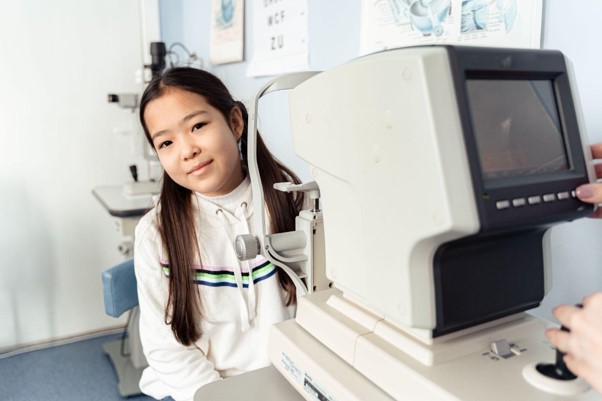
Back-to-School Eye Checks: Signs Your Child May Need Glasses
A new school year can reveal small clues parents may miss. Your child may avoid reading, sit close to a screen, complain of headaches, or struggle to copy from the board. You may wonder, “Does my child need glasses?” This guide can help you spot signs, understand school vision screening, and use a checklist before scheduling a children’s eye exam. It cannot diagnose a vision issue, but it can help you know what to watch for.
Why Children May Not Tell You Their Vision Is Blurry
Many children do not know what a clear vision should look like. If blurry vision has been present for a long time, it may feel normal.
Children may show discomfort through behavior. They may rush through homework, avoid reading, rub their eyes, or seem distracted during tasks that require steady focus. School frustration can have many causes. Vision is one possible factor parents can check with professional help.
Does My Child Need Glasses? Common Signs Parents Should Watch For
Watch for patterns during schoolwork, reading, screen use, and play. Common signs may include:
● Squinting at the board, books, or screens
● Sitting very close to the TV
● Holding tablets, phones, or books close to the face
● Covering one eye while reading
● Tilting the head to see better
● Frequent eye rubbing
● Headaches after reading or homework
● Eye pain after schoolwork
● Losing their place while reading
● Skipping words or lines
● Avoiding books, worksheets, or close-up tasks
● Trouble seeing classroom boards or signs
● Blinking more often than usual
● Watery eyes during reading
● Short focus during visual tasks
One symptom does not always mean a child needs glasses. Patterns matter. Pay closer attention when signs happen often, appear during school tasks, or affect comfort. Teacher comments can also help.
A Quick Parent Checklist Before Booking an Eye Exam
Use this checklist over one to two weeks. It is an observation tool, not a diagnosis. If you answer “yes” to several questions, or if one symptom is frequent or concerning, schedule a child eye exam.
Parent Vision Check Quiz
| Observation | Yes or No
| Squints at faraway objects | ●
| Sits close to the TV or holds devices close | ●
| Has headaches after homework | ●
| Rubs eyes during or after reading | ●
| Avoids books, worksheets, or close-up activities | ●
| Loses their place while reading | ●
| Covers one eye or tilts their head | ●
| Says the board, books, or screens look blurry | ●
| The teacher reports trouble copying from the board | ●
| Failed or received a referral after a school vision screening | ●
| Total Score (Count ‘Yes’ Answers) | __
How to Read the Results
● 0–1 yes answers: keep watching during the school year.
● 2–3 yes answers: consider scheduling a children’s eye exam.
● 4 or more yes answers: book an exam with an eye care professional.
● Sudden changes in vision, eye pain, double vision, or eye turning should be checked promptly.
How Vision Problems Can Affect Reading and Classroom Work
Vision can affect many school tasks. A child may have trouble seeing the board, reading directions, or copying notes. Reading may feel tiring. Homework may take longer. Sports or playground activities may feel harder if distance vision is unclear. Screen-based schoolwork may also cause eye fatigue.
Vision problems are not the only reason a child may struggle in school. Still, a children’s eye exam can help rule out common vision concerns.
School Vision Screening vs. a Child Eye Exam
A school vision screening is a basic check that can help identify children who may need further care. It is useful, but it does not replace a complete child eye exam.
A full eye exam may check visual clarity, eye focusing, eye teaming, eye alignment, eye health, and prescription needs.
If a school vision screening flags a concern, follow up with an eye care professional. Symptoms should also be checked if a child passed a screening but continues to show signs.
Common Reasons Children May Need Glasses
Nearsightedness
A child with nearsightedness may see nearby objects clearly but struggle with distant objects, such as the board, signs, or a ball across the field.
Farsightedness
A child with farsightedness may find close-up work tiring, blurry, or uncomfortable. Reading and homework may take extra effort.
Astigmatism
Astigmatism can cause blurred or distorted vision at both near and distance. Children may squint or tilt their heads to see better.
Only an eye care professional can diagnose these issues and decide if glasses are needed.
What Parents Can Ask Teachers During Back-to-School Season
Teacher feedback can help you spot patterns you may not see at home. Ask if your child squints at the board, moves closer to see instructions, loses focus during reading, copies notes accurately, seems tired after visual tasks, or mentions blurry vision in class. Bring repeated concerns to the eye exam.
When to Schedule a Child Eye Exam
Schedule a children’s eye exam if symptoms happen often, affect schoolwork, or cause discomfort.
Prompt professional care is important for sudden vision changes, eye pain, double vision, one eye turning inward or outward, frequent headaches with reading, ongoing blurry vision, a failed school vision screening, trouble seeing the board, or symptoms that affect reading, sports, or daily tasks.
An eye doctor can check for glasses needs, eye alignment concerns, dry eye, allergies, or other vision issues.
FAQs About Children’s Glasses and School Eye Checks
How can I tell if my child needs glasses?
Watch for repeated squinting, headaches after schoolwork, eye rubbing, sitting close to screens, trouble reading, or difficulty seeing the board. A children’s eye exam can confirm the cause.
Can a child pass a school vision screening and still need an eye exam?
Yes. A school vision screening can find possible concerns, but it is not the same as a complete eye exam. Ongoing symptoms should still be checked.
Can vision problems look like trouble paying attention?
Yes. A child who cannot see clearly may avoid reading, lose their place, or seem distracted during visual tasks. An eye exam can help rule out vision concerns.
Take the Next Step Before the School Routine Gets Busy
If you keep wondering, “Does my child need glasses?” pay attention to recurring signs rather than waiting until the school year becomes stressful. Use the checklist, talk with teachers, and schedule your child's eye exam as soon as symptoms appear. Healthy Vision Association offers practical eye health resources that can help families stay informed and take timely action.