Cataracts 101: Symptoms, Treatment Options and Prevention Tips
As we age, our bodies change, altering how we perceive the world and move around within it. An essential organ in how we perceive the world, our eyes are also susceptible to the passing of time in the form of cataracts, a progressive condition that requires careful attention to your ongoing eye health and proactive exams to ensure you’re aware of these often slow-to-develop changes.
Continue reading to better understand the symptoms behind cataracts, your treatment options and ways you can change your lifestyle to keep your eyes healthier for longer.
Cataract Symptoms
When you’re driving at night or working in the yard on a very sunny day, do you feel as if you’re trying to make sense of the world through a frosty or fogged-up window? Or perhaps the symptoms you’re experiencing are less severe, but still impeding your enjoyment of everyday activities, such as needing more light to read, reduced clarity of vision and colors that don’t seem as bright as they used to.
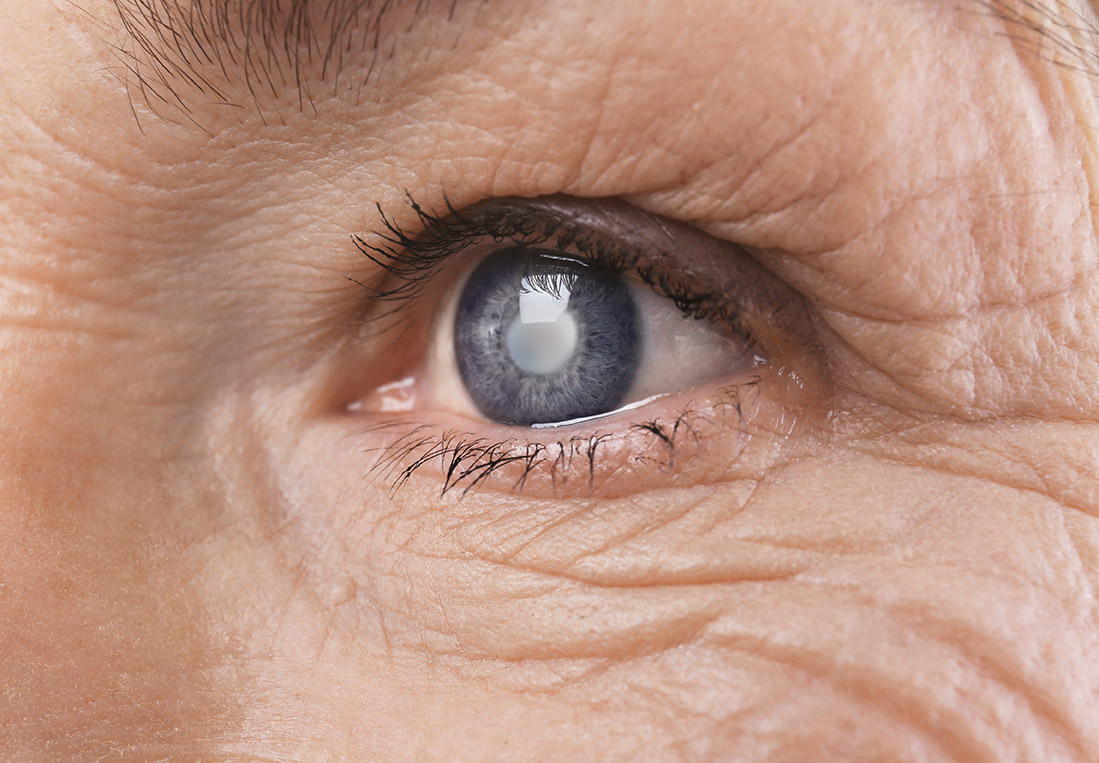
Cataracts are a clouding of the normally clear lens in your eye, according to Hopkins Medicine, caused by the breakdown and clumping of a certain protein within. Much like the windows in your home, when these lenses become cloudy, less light passes through, making it more difficult to see.
Most cataracts are age-related and grow slowly over time, making them difficult to detect in their early stages without regular comprehensive eye exams. The protein changes associated with cataracts typically start around age 40, but because they’re so slow to progress, you might not notice any symptoms until age 60 or even later. Some symptoms include:
· Cloudy or blurred vision
· A glare or halo around lights
· Poor night vision
· Double vision
· Increased nearsightedness; the need to change eyeglass prescriptions
Exploring Your Treatment Options
Surgery is the only way to eliminate cataracts and restore your clear vision. According to the Mayo Clinic, during cataract surgery, the cloudy, affected lens is removed and replaced with an artificial lens.
While this surgery is increasingly popular, with close to four million cataract surgeries performed each year, there are complications associated with it, such as the artificial lens or the retina moving out of place, development of the progressive eye disease glaucoma and growth of a secondary cataract.
Secondary cataracts form after surgery when the back of the lens capsule becomes cloudy. This can be treated with an outpatient procedure that makes a small opening in the capsule with a laser beam, allowing light to pass through once more.
People with other eye diseases or serious medical conditions are at higher risk of surgical complications; consult your doctor and address other issues as necessary before surgery.
Is It Possible to Prevent Cataracts?
Because cataracts are considered a normal part of the aging process, it is not possible to prevent them entirely, but there are proactive steps you can take to slow their progression and protect your vision health for as long as possible.
These can include the following lifestyle changes, but be sure to always discuss any potential changes to your exercise or health routine with your primary care doctor or ophthalmologist:
· Protect your eyes – Whether it’s the sun’s bright rays or a fly ball while playing outdoors, even brief exposures can cause significant damage. The eyes are a key sensory organ, but their fragile structure makes them vulnerable to injury, disease and permanent damage. Therefore, protect them against UV light — a key source of oxidative damage to the lens — when going outside or against injury when taking part in physical activity by wearing sunglasses, brimmed hats and appropriately rated eyewear if operating power tools or playing certain sports.
· Stop smoking – People who smoke cigarettes are two to three times more likely to develop cataracts than people who do not smoke, according to the U.S. Food & Drug Administration (FDA). Smoking introduces toxins that damage the essential parts of your eyes required for clear sight and vision, such as the retina, macula and lens; these toxins cause lens proteins to clump together and turn cloudy, leading to cataracts.
· Follow an eye-healthy diet – Following a healthy diet is vital to ensuring long-term good health, and your eyes are no exception. According to the American Academy of Ophthalmology (AAO), following a diet that is low in fat but high in fruits, vegetables and whole grains helps your overall eye health, in addition to vitamins A, C and E. Common health issues, such as type 2 diabetes, are known to have eye-related complications, so it’s important to keep close watch on your diet and overall health.
· Get regular eye care – Many eye diseases, such as cataracts, progress slowly over time, making them more likely to go undetected for longer. A comprehensive eye exam by a qualified eye doctor is essential to helping you find eye diseases early — they can even help diagnose conditions that commonly feature eye-related complications, such as diabetes and high blood pressure. Detecting cataracts, in particular, often requires dilated eye exams and slit-lamp exams to inspect the tiny structures within the eye.
Cataracts are a fact of life for many of us, linked to simple aging on top of common health factors like diabetes, UV exposure, smoking and more, but that doesn’t mean you need to resign yourself to living with poor vision.
Take charge of your eye health today. Schedule regular eye exams and work with your doctor concerning any eye-related issues you’re experiencing; this is the first step toward vision-related relief and peace of mind. They can help you understand your vision changes and the benefits of cataract surgery, addressing any unease that can prevent you from getting care. To get more valuable eye-health insights, visit healthyvisionassociation.com/articles.
Articles in this newsletter are supposed to be informative, enlightening and helpful to you. While all information contained herein is meant to be completely factual, it is always subject to change. Articles are not intended to provide medical advice, diagnosis or treatment. Consult your doctor before starting any new health routine.