
Contact Lenses 101: Safety Tips Every Wearer Should Know
There is a moment most wearers remember well. The first time a lens rests on the eye, vision sharpens in a new way, and the simple act of blinking feels different. That first experience often brings confidence, but it also brings a quiet responsibility. Healthy habits begin immediately, and they shape every day that follows.
Many people search for contact lens safety tips once they realize how strongly their routine influences eye comfort. They want clarity, not fear. They want guidance that helps them protect their sight without overcomplicating their day.
Wearing contacts is a healthcare choice that becomes part of daily life. A lens touches one of the most sensitive parts of the body. Small decisions matter, even ones that seem too quick to notice. The goal of this guide is to help you understand what really protects your eyes, why these steps matter, and how simple choices shape long-term comfort.
By offering clear, reliable information, these contact lens safety tips give you the confidence to use your lenses with greater awareness and fewer risks.
The Foundation of Safe Wear Begins With Clean Hands
Before a lens ever reaches your eye, your hands influence its safety. This is the most basic yet crucial principle behind contact lens safety tips. Washing with soap and water removes the invisible residue. Oils, dirt, and microbes cling to the skin throughout the day, and they transfer easily to the lens surface.
Drying your hands with a clean towel is equally essential. Even tiny droplets affect how a lens sits on your eye. When moisture from the hands mixes with the solution, comfort decreases, and irritation becomes more likely. This simple start sets the tone for a safer routine and protects you before the lens even leaves the case. With each small habit you build here, you strengthen your overall practice of contact lens safety.
Why Rinsing and Rubbing Make a Real Difference
Many new wearers assume that the solution alone keeps lenses clean, but rubbing and rinsing physically remove residue that the eye never tolerates well. Proteins from tears collect slowly, even on newer lenses. Dust in the air settles on them without your awareness. For this reason, contact lens safety tips consistently highlight the need for gentle rubbing.
Fresh solution matters. Using leftover liquid from yesterday reduces cleaning power and reintroduces contaminants into your routine. Even if the lenses appear clear, residue can build in ways you may overlook until your eyes begin to sting or blur. Proper lens cleaning strengthens every other part of your routine and supports the structure of solid contact lens safety tips.
Tap water should never be used during cleaning. Many people underestimate the organisms found in water sources. Some are harmless on the skin but unsafe for the eye. Sticking to sterile solution prevents that risk entirely. Each time you resist the temptation to use water, you reinforce safer contact lens safety tips that protect your eyes from real harm.
Why Sleeping in Lenses Changes Eye Health More Than You Think
Comfort can trick the mind. When lenses feel fine at night, it becomes easy to leave them in. Yet the risks of overnight wear are well documented. The eye needs oxygen at all times, and a lens used during sleep reduces that supply. Reduced oxygen invites irritation and, in more severe cases, infection.
Removing lenses before bedtime gives your eyes the break they need. Even if you feel tired or rushed, this step consistently shows up among trusted contact lens safety tips because it prevents issues that develop quietly in the background. Some infections linked to overnight wear can cause lasting changes in vision. By removing your lenses each night, you choose comfort the next morning over convenience in the moment.
Your Lens Case Plays a Larger Role Than You Expect
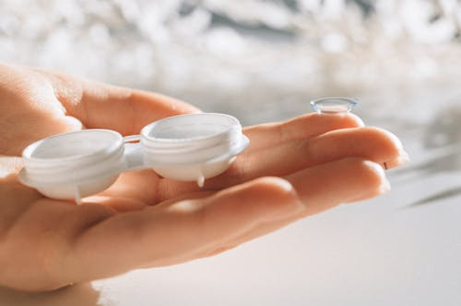
One part of the routine people ignore is the lens case. Many problems linked to contamination start there. When a case is never cleaned or replaced, the old solution settles, and microbes multiply. Over time, this undermines every step you take to practice contact lens safety tips.
Rinse the case with fresh solution after each use, then let it air dry. Closing the lid while wet creates an environment where bacteria flourish. Replace the case regularly. This simple change removes one of the most common sources of irritation. When you commit to clean storage habits, you reinforce the foundation of good contact lens safety practices and reduce easy-to-avoid risks.
Respect Wear-Time Limits to Avoid Strain
Every contact lens has a safe-use lifespan. Materials break down as you wear them. Comfort decreases naturally as the lens nears the end of its schedule. When people ignore recommended wear time limits, irritation becomes more frequent. Even if your eyes feel fine, the surface may already be reacting.
Sticking to the suggested timing for your lens type protects your cornea, reduces dryness, and supports predictable comfort. This habit does not require strict rules. It only requires awareness. Each time you replace your lenses on schedule, you apply some of the most reliable contact lens safety tips in a simple, effective way.
Listen to Your Eyes When Something Feels Off
Eyes often give early signs of irritation. Redness, burning, unusual dryness, or sensitivity to light are signals you should not ignore. Removing your lenses at the first sign of discomfort is a protective act. Continuing to wear a painful lens increases risk and slows recovery.
If you insert a lens and it feels wrong, remove it and inspect it. Look for a tear, a small fiber, or a fold. A quick rinse with fresh solution often solves the problem. Trust your instincts. Recognizing early symptoms is one of the most practical contact lens safety tips, and it prevents minor issues from developing into more serious concerns.
Small Choices Shape Long-Term Eye Health
At first glance, these steps may seem basic. Yet the strength of contact lens safety tips lies in consistency rather than complexity. Clean hands support healthy lenses. Fresh solution protects the eye surface. Respecting daily limits keeps your eyes clear and calm. Responding to discomfort prevents accidents before they begin.
These habits build on one another. With time, they form a routine that feels natural. When you understand why each step matters, self-care becomes easier to sustain. Safe contact lens use benefits both comfort and clarity. Each choice protects your eyes on the day you make it and sets you up for healthier vision in the future.
To explore more ways to support your eye health or to learn how Healthy Vision Association encourages smarter care habits, visit their resources for members who want guidance rooted in responsible use and long-term vision support.