
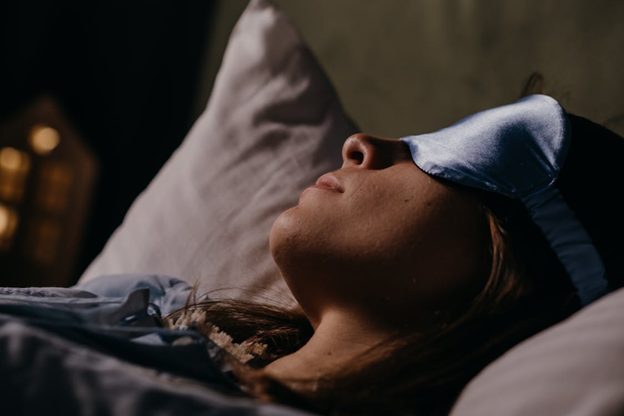
How Sleep Affects Your Eyes: Surprising Ways Rest Shapes Vision
Good sleep is essential for overall well-being, but its impact on your eyes is often overlooked. Understanding the connection between sleep and eye health is crucial for anyone who wants to maintain sharp vision and reduce discomfort. The eyes undergo vital restorative processes during sleep, which can prevent dry eyes and sleep-related issues, improve vision clarity, and provide natural eye strain relief.
This article explains how sleep affects vision, what problems can arise from poor sleep, and simple ways to improve eye health through healthy sleep habits.
Why Sleep Matters for Eye Health
The relationship between sleep and eye health is deeper than many realize. During rest, the muscles around your eyes relax, allowing them to recover from the stresses of the day. Tear production increases overnight, maintaining lubrication and preventing irritation. When sleep affects vision, common symptoms such as blurry vision, dry eyes, and redness may appear. Consistently prioritizing healthy sleep habits for your eyes ensures your eyes remain comfortable and vision clarity is preserved.
Research indicates that people who do not get enough rest are more prone to eye fatigue and strain. These symptoms highlight the importance of sleep and eye health for anyone who uses digital devices extensively or spends long hours focusing on close-up tasks.
How Sleep Provides Natural Eye Strain Relief
Eye strain relief is one of the most immediate benefits of adequate sleep. Screens, reading, and detailed work make the eye muscles tense. During sleep, these muscles relax, reducing fatigue and the risk of headaches or eye discomfort. Sleep affects vision by allowing the eyes to reset, supporting clarity and overall comfort.
In addition, sleep helps remove waste products that accumulate in the eyes during the day. This natural cleansing process helps relieve eye strain and ensures your eyes function optimally when awake. Following healthy sleep habits for the eyes maximizes this recovery and protects against long-term problems.
Tear Production and Moisture Maintenance
Dry eyes and sleep deprivation are closely connected. Inadequate sleep has been shown to reduce tear production, leading to irritation, stinging, or dryness. During sufficient rest, the eyes remain closed for extended periods, allowing tears to form a protective layer over the cornea that keeps the eyes hydrated and supports clear vision.
Maintaining healthy, consistent sleep habits helps preserve proper tear production, reducing symptoms of dry eyes and sleep-related irritation while supporting overall eye comfort. A study published in Experimental & Molecular Medicine demonstrated that sleep deprivation decreases tear secretion and disrupts the protective tear film. In contrast, adequate rest restores normal tear function and eye surface health.
Sleep and Vision Clarity
Vision clarity is directly affected by sleep. Fatigue from poor rest can cause blurry vision, slower focusing, and difficulty tracking objects. Sleep affects vision by giving the eyes time to process visual information and recover from strain. Those who adopt healthy sleep habits for their eyes often notice improved vision clarity and reduced need for eye strain relief.
Quality sleep also impacts how the brain interprets visual information. When sleep is insufficient, eye muscles cannot fully recover, which can compromise vision clarity throughout the day. Proper rest supports both the physical structure of the eyes and the brain’s ability to process visual cues effectively.
Common Eye Problems Linked to Poor Sleep
Several issues are associated with the neglect of sleep and eye health. Frequent dry eyes, sleep irritation, light sensitivity, eye twitching, and blurred vision are common. Chronic lack of rest can exacerbate these conditions, making it more difficult to achieve eye strain relief.
By prioritizing healthy sleep habits for your eyes, you can minimize discomfort, maintain clear vision, and reduce the risk of long-term eye problems. Recognizing early signs of fatigue or dryness allows you to adjust your routines to protect your eye health.
Practical Tips for Healthy Sleep and Eye Care
Maintaining sleep and eye health requires conscious habits. Here are practical steps that help with eye strain relief, prevent dry eyes and sleep issues, and support vision clarity:
- Keep a consistent sleep schedule – going to bed and waking up at the same time each day supports healthy sleep habits for the eyes.
- Limit screen exposure before bedtime – Reduces eye strain and promotes eye strain relief.
- Create a dark, quiet sleeping environment – Darkness helps regulate melatonin and supports sleep and eye health.
- Stay hydrated – Water intake promotes tear production and prevents dry eyes and sleep problems.
- Take short breaks during the day – Pausing from screens or close work reduces eye strain, reduces the need for relief, and maintains vision clarity.
These simple habits make a significant difference in how sleep affects vision and help maintain healthy eye sleep habits in the long term.
When to Seek Professional Help
Persistent symptoms despite following healthy sleep habits for the eyes may indicate underlying issues. Chronic dry eyes and sleep problems, consistent eye strain, or frequent blurry vision should prompt a visit to an eye care professional. Early intervention protects sleep and eye health, helps maintain clear vision, and ensures effective relief from eye strain.
Conclusion
Sleep affects vision in ways that are often overlooked. Prioritizing sleep and eye health allows your eyes to recover, prevents dry eyes and sleep irritation, and maintains vision clarity. Implementing healthy sleep habits for the eyes offers natural relief from eye strain and long-term comfort. Making rest a priority is a simple but effective way to protect your eyes, enhance focus, and support overall well-being.
Take the next step in protecting your vision: learn more about maintaining sleep and eye health atHealthy Vision Association or schedule a personalized consultation through ourcontact page today.