
Morning to Night: How to Build an Eye-Healthy Daily Routine
Most of us ask a lot from our eyes before breakfast. We check the time, read messages, move through changing light, and often open a laptop soon after. Our eyes handle this so quietly that we rarely think about it. A daily eye care routine begins with noticing those ordinary hours, because that is where comfort is often won or lost.
Eye care does not need to become another project. The useful habits are small: drink enough water, eat well, look away from close work, protect your eyes outdoors, and stop pushing when they feel tired. Regular screen breaks can help during a busy day, but they work best alongside the rest of your routine, not as a single fix.
Let Your Eyes Wake Up Before the Day Gets Busy
After several hours of sleep, your eyes are moving back into light, movement, and near focus. If the room is dry or a fan blows toward your face, they may already feel irritated. Drink some water, avoid rubbing them, and wait a few minutes before staring at a phone. That simple start makes your daily eye care routine calmer.
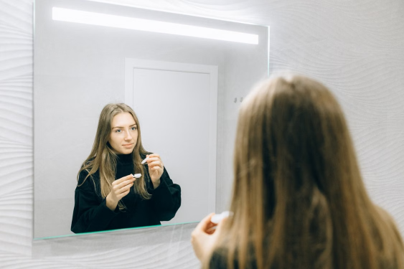
Contact lens wearers have another reason not to rush. Wash and dry your hands before handling lenses, and pay attention if your eyes feel sore or dry. Forcing lenses on an uncomfortable morning offers no benefit. Glasses may make sense that day. Starting the day with comfortable eyes can also make digital eye strain less noticeable once you start using screens.
Make Breakfast Count Without Turning It Into an Assignment
Food cannot correct a vision problem, but a varied diet gives the body nutrients the eyes also use. Breakfast is an easy opportunity to add eye-friendly foods without changing everything you eat. Eggs, leafy greens, berries, citrus fruit, nuts, seeds, and other whole foods can fit into familiar meals. Adding spinach to eggs or fruit to oatmeal is an easy way to make this practical.
Keep the same approach later in the day. Instead of chasing one ingredient because it has a good reputation, aim for variety across the week. Greens, vegetables, beans, fish, fruit, nuts, and seeds can all have a place. A daily eye care routine is easier to keep when food still feels like food, not a prescription you have to follow perfectly.
Make Screens Easier on Your Eyes
Screens are part of work, school, reading, entertainment, and conversation, so avoiding them is rarely realistic. The bigger problem is often uninterrupted close focus. Brief screen breaks give your eyes a chance to shift distance and relax. Look across the room or outside for a short period. Blink normally. Stand up if you have been sitting too long.
Your setup can add strain without you noticing. Small text, reflections, poor lighting, or a screen that sits too close may have you squinting by lunchtime. Increase the font size. Move a lamp. Change the monitor angle. These simple changes can reduce digital eye strain without turning computer use into a complicated set of rules.
Check In With Your Eyes Around Midday
Lunch is a useful time to notice what your eyes are telling you. Burning, watering, heaviness, dryness, or trouble refocusing can point to what needs adjusting. Maybe the room is too dry. Perhaps you have barely looked away from a monitor. A daily eye care routine should respond to those clues instead of asking you to ignore discomfort until the workday is over.
If possible, spend part of lunch away from close work. Eat somewhere other than your desk, refill your water, or step outside for a few minutes. Choose eye-friendly foods when they fit the meal, but do not make lunch feel like homework. A change in distance and setting can help after a morning spent indoors.
Give Outdoor Light the Respect It Deserves
Bright sunlight gets your attention. Ultraviolet exposure is easier to forget because you cannot judge it by temperature alone. Sunglasses that block UVA and UVB rays offer straightforward UV protection. A brimmed hat can add shade. Keep sunglasses somewhere you will remember them, such as near your keys, in your bag, or by the door.
Wind, pollen, dust, and dry air can also change how your eyes feel outside. Some days may cause no trouble, while others leave them watery or irritated. Notice those patterns. Good UV protection matters, but so does preparing for conditions that tend to bother you. Eye care becomes easier when you act on what you have already noticed.
Do Not Let Afternoon Fatigue Run the Schedule
Afternoon strain often appears slowly. You lean closer to the screen, reread the same line, rub your eyes, or keep working through a headache. That is the right time for screen breaks, not another hour of forcing concentration. Change the visual task for a few minutes. Stand during a call or look across the room before returning to close work.
Lighting may have changed since morning too. A monitor that felt comfortable at nine can catch window glare later. Shift the screen, close a blind, or adjust room lighting if needed. Small corrections can reduce digital eye strain without interrupting work for long. The point is to stop making your eyes compensate for problems that are easy to fix.
Give Evening Eyes Something Different
A screen-heavy workday can roll straight into a screen-heavy evening. Try to interrupt that when you can. Cook, walk, talk with someone, tidy up, or spend a little time without a device. Your daily eye care routine should include periods when you are not focused on a screen up close. Even a short change can feel good after hours of reading and clicking.
If you wear contact lenses, make removal part of the evening rather than something you remember when you are half asleep. Use clean, dry hands and follow the care instructions for your lens type. Keep lenses away from tap water and follow the recommended wear schedule. These habits, along with screen breaks, healthy food, and sun protection, are ordinary parts of looking after your eyes.
Let the Day Have a Clear Ending
Sleep is easy to separate from eye care because it affects the whole body. Still, tired eyes may feel dry, heavy, sensitive, or slow to focus. Give yourself a stopping point at night. Lower harsh lighting, finish close work when possible, and avoid turning a quick phone check into another long session. A daily eye care routine should include time for your eyes to rest.
No routine will look the same every day. Meetings run long, meals get rushed, and sunglasses sometimes stay in the wrong bag. What matters is making healthy choices often enough to become familiar. Keep water nearby, choose eye-friendly foods regularly, use UV protection outdoors, and notice when your eyes need a break instead of waiting for discomfort to become hard to ignore.
Conclusion
Regular eye exams still matter. A daily eye care routine can support comfort and help reduce avoidable strain, but persistent pain, sudden vision changes, ongoing redness, flashes, or new visual symptoms deserve professional attention.
Healthy Vision Association encourages people to stay informed and make practical choices that support eye health over time. For additional educational resources on vision and everyday care, visit Healthy Vision Association.