
Protecting Your Vision Without Overthinking It
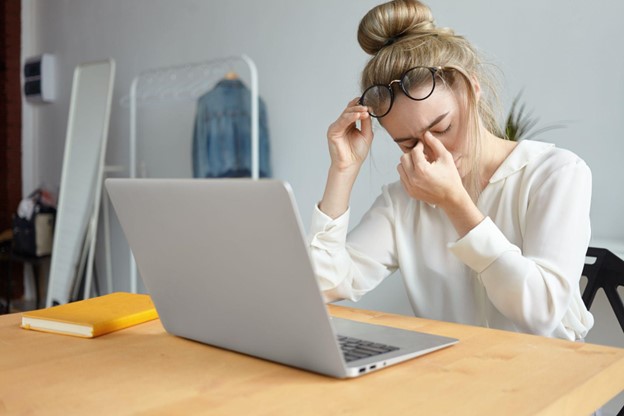
Most of us spend the majority of our day staring at screens. From computers at work to phones at home, and even TV in the evenings, our eyes barely get a break. That constant focus can lead to tired, dry, or irritated eyes. Over time, it can cause headaches, blurred vision, and even long-term problems if left untreated.
The good news is that protecting your vision doesn’t have to be complicated. You don’t need expensive equipment or long routines. With a few simple daily habits, you can prevent eye strain, reduce discomfort, and maintain vision health. These eye care tips are easy to follow and work for anyone, whether you’re a student, office worker, or just scrolling on your phone at home.
Take Frequent Screen Breaks
One of the simplest and most effective ways to prevent eye strain is to give your eyes regular breaks. The 20-20-20 rule is a perfect guideline: every 20 minutes, look at something 20 feet away for 20 seconds. This allows your eye muscles to relax and prevents fatigue from long screen sessions.
If you’re at a desk, glance out the window at a distant tree, building, or wall. Even short pauses like this can refresh your focus and reduce tension. Over time, this small habit improves comfort and helps maintain vision health, making your daily work or study routine easier on your eyes.
Adjust Your Screen Settings
Your screen setup has a bigger impact than most people realize. Excessive brightness, glare, or poor contrast can strain your eyes.
Lower screen brightness to match the ambient light in your room, increase text size if needed, and consider blue-light filters for extended use of your computer or phone. Position your screen about 20–24 inches from your eyes and slightly below eye level. Following these eye care tips helps reduce strain and keeps your eyes more comfortable throughout the day.
Blink Regularly
It’s easy to forget to blink when staring at screens, which can lead to dryness and irritation. A simple blinking exercise helps keep your eyes lubricated. Try the 10-10-10 exercise: blink normally for 10 seconds, close your eyes gently for 10 seconds, then open and focus for another 10 seconds. Repeat a few times during the day.
Regular blinking exercises are especially useful for anyone who spends long hours on a computer, tablet, or phone. They are a simple way to prevent eye strain and improve overall vision health without interrupting your work.
Mind Your Lighting
Proper lighting makes a difference. Harsh overhead lights, reflections, or glare from windows can tire your eyes. Soft, even lighting is best for reading or working on screens.
Try positioning windows to the side of your desk rather than in front or behind your screen. In the evening, dim your lights and lower screen brightness. These small adjustments are effective eye care tips that help reduce fatigue and protect your eyes throughout the day.
Incorporate Simple Eye Exercises
Besides blinking, other exercises can relax your eye muscles and improve flexibility. Try eye-rolling or focus shifts: slowly roll your eyes in a circle a few times, then focus on a nearby object, then shift to something farther away.
Doing these exercises for a few minutes each day helps prevent eye strain and keeps your eyes agile. Research shows that regular eye movement exercises can improve ocular muscle flexibility and reduce visual discomfort in people who use screens for long periods, supporting long‑term vision health with consistent practice. Over time, these small habits become a natural part of your routine, making daily screen use more comfortable.
Maintain a Healthy Lifestyle
Your overall health affects your eyes. Eating foods rich in vitamins A, C, and E, as well as omega-3 fatty acids, supports retinal health. Drinking plenty of water prevents dryness, and regular exercise improves blood circulation, including to your eyes.
Avoid smoking, which increases the risk of cataracts and macular degeneration. Getting enough sleep allows your eyes to rest and recover from daily strain. These healthy habits, combined with consistent eye care tips, go a long way in keeping your vision strong and comfortable.
Regular Eye Checkups
Even if your eyes feel fine, regular visits to an optometrist or ophthalmologist are essential. Routine exams detect problems early and guide how to prevent eye strain based on your personal needs.
Adults should aim for checkups every one to two years, or more frequently if they have conditions like diabetes or a family history of eye disease. Professional monitoring is one of the best ways to maintain vision health over time.
Real-Life Example
Consider Alex, a graphic designer who used to suffer from headaches and dry eyes after long workdays. He started following simple eye care tips: taking screen breaks, adjusting monitor settings, doing blinking exercises, and keeping proper lighting. After a few weeks, his eyes felt less tired, and he could concentrate longer without discomfort. Small daily habits made a noticeable difference.
Make It Simple
Protecting your eyes doesn’t require overcomplicating things. Focus on easy, consistent actions:
● Follow the 20-20-20 rule for screen breaks
● Blink regularly and do simple eye exercises
● Adjust lighting and screen settings
● Eat well, stay hydrated, and get enough sleep
● Schedule regular eye exams
These steps are practical, easy to remember, and work in almost any environment. They are small but powerful ways to prevent eye strain and support long-term vision health.
Conclusion
Maintaining eye health can be simple. Daily habits like taking breaks, blinking, short exercises, proper lighting, and a healthy lifestyle help prevent strain and support vision.
Start with two habits today—try the 20-20-20 rule and a quick blinking exercise. Invite friends or coworkers to join for easier consistency.
Small daily steps improve comfort, focus, and long-term eye health. Protect your vision now to keep it strong for years to come.
For more guidance on keeping your eyes healthy, visit theHealthy Vision Association to explore tips, resources, and professional advice. Learn about the long-term benefits of eye exercises atHealthy Vision Association Benefits, orcontact a vision specialist today.