
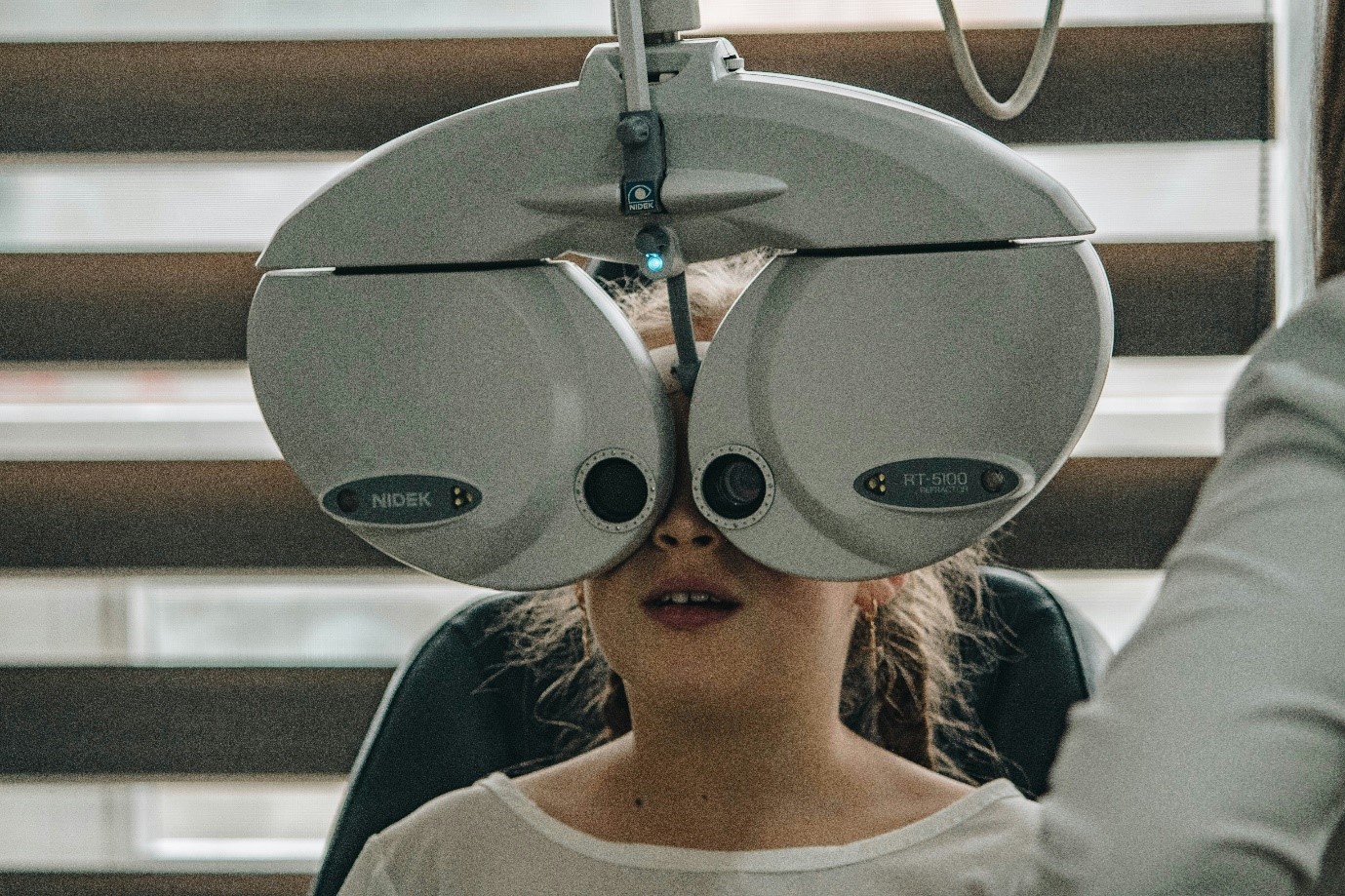
The Importance of Regular Eye Exams at Every Age
Clear vision is easy to take for granted until something goes wrong. In reality, many conditions that threaten sight progress quietly, showing no warning signs until they are advanced. Prioritizing eye health with a routine eye exam is one of the simplest ways to prevent these problems and protect overall wellbeing
A comprehensive eye check does more than measure how well you see letters on a chart. It provides insight into eye function, detects early signs of disease, and can even uncover systemic health conditions, such as diabetes or high blood pressure.
Eye Exam Guidelines For Children And Adolescents
Childhood is a critical time for visual development. Problems that are left unaddressed during these years can interfere with school performance, sports, and self-confidence.
· Infants and toddlers should have their eyes assessed between 6 and 12 months of age. Pediatricians or eye care professionals check alignment, pupil response, and developmental milestones.
· Preschoolers (ages 3 to 5) benefit from screenings that detect amblyopia (lazy eye), strabismus (eye misalignment), and focusing problems. These are most effectively treated when caught early.
· School-aged children and teenagers should continue with yearly checks. As academic and digital screen demands grow, so does the risk of eye strain and unnoticed vision changes.
Parents should not rely solely on school screenings, which typically measure distance vision but may miss focusing and binocular issues. A full comprehensive evaluation is the gold standard for ensuring children see their best.
Young Adults: Building A Baseline For Lifelong Vision
Between the ages of 18 and 39, many adults believe that if they are not struggling with vision, they can skip exams. Yet, this is the perfect time to establish a baseline. A comprehensive record allows providers to track even subtle changes over time.
In this stage, exams may reveal early glaucoma, retinal changes, or complications from contact lens use. For adults who spend long hours on digital devices, eye care visits are also an opportunity to discuss strategies for reducing digital eye strain.
Middle Age: A Turning Point For Eye Health And Disease Risk
Once adults enter their 40s, age-related changes often begin. Presbyopia, the gradual loss of the eye’s ability to focus up close, usually becomes noticeable. More importantly, the risks of glaucoma, cataracts, and macular degeneration increase.
Most adults in this age range should have an exam every 1 to 2 years. Those with chronic conditions like diabetes or a family history of glaucoma may require annual or even more frequent checks. Regular monitoring ensures that diseases are caught while treatment options are most effective.
Seniors: Protecting Independence Through Regular Eye Exams
For adults over 65, routine visits are critical. Cataracts, age-related macular degeneration, and glaucoma become increasingly common. Vision loss in seniors is not just a medical issue — it directly impacts independence, mobility, and fall risk.
The American Academy of Ophthalmology advises that seniors receive exams every 1 to 2 years, with more frequent visits when conditions are diagnosed. At this stage of life, proactive eye care helps people maintain quality of life and continue daily activities with confidence.
Eye Health Challenges in High-Risk Groups
Some groups need to be especially vigilant.
· People with diabetes should receive a yearly dilated exam. Diabetic retinopathy is one of the leading causes of blindness, but it is manageable when identified early.
· Those with a family history of glaucoma, as well as African Americans over 40 and Hispanics over 60, should begin exams earlier and schedule them more frequently.
· Patients with prior eye surgery or chronic conditions like high blood pressure, thyroid disorders, or autoimmune disease may also require closer monitoring.
By following these tailored guidelines, high-risk individuals can dramatically reduce the chance of avoidable vision loss.
What Happens During a Comprehensive Exam
Many people are surprised at how thorough a modern eye visit can be. In addition to checking visual clarity, providers may perform:
· Visual acuity and refraction to determine prescriptions
· Eye movement and pupil response testing
· A slit-lamp exam to inspect the cornea, iris, and lens
· Measurement of intraocular pressure to screen for glaucoma
· Dilated retinal exam to evaluate the optic nerve and retina
· Imaging techniques such as optical coherence tomography for detailed assessment
These tests are quick, painless, and invaluable for detecting disease before symptoms arise.
Why Preventive Care Saves Sight and Money
Regular vision care has benefits far beyond the individual. For children, catching vision problems early supports learning and social development. For working-age adults, maintaining sharp vision preserves productivity and reduces the likelihood of accidents. For seniors, preventing vision loss lowers fall risk and dependence on caregivers.
From an economic perspective, prevention is less costly than treating advanced disease. Managing early glaucoma with medication, for example, is far less expensive and life-altering than addressing late-stage blindness. The same is true for diabetic retinopathy and cataracts. Public health experts consistently highlight routine eye care as a cost-effective investment in both personal and community wellbeing.
Practical Barriers and Solutions
Despite the benefits, many people delay visits. Common obstacles include cost, lack of insurance, busy schedules, or simply the misconception that “no symptoms” means “no problem.”
To overcome these barriers:
· Explore community health centers and vision programs that provide low-cost care.
· Take advantage of employer or insurance vision benefits before they expire each year.
· Schedule family appointments together to normalize eye care.
· If you manage a chronic condition like diabetes, include an eye visit as part of your annual health routine.
· Awareness and access are the first steps to ensuring more people benefit from early detection.
Make Eye Health A Priority With Regular Eye Exams
Healthy eyesight supports every stage of life, from early learning to aging gracefully. The silent nature of many eye diseases makes prevention essential. By prioritizing eye health and scheduling a routine eye exam, individuals can catch problems early, protect their vision, and maintain overall wellbeing.
If you are ready to take the next step, consider joining the Healthy Vision Association. Membership provides access to valuable resources, vision care discounts, and educational tools designed to help you safeguard your sight for the long term. Protect your future vision today by making proactive eye care part of your overall health plan with the support of the Healthy Vision Association.