
What Your Eyes Reveal About Your Overall Health
People often look at their eyes to check for fatigue, irritation, or signs of a long day. What most do not realize is that the eyes record many internal changes long before they gain attention. The connection between vision and the rest of the body is closer than most imagine. When something shifts inside, even slightly, the eyes often respond first. This link forms the foundation of eye health and overall wellness, and understanding it can help you recognize changes you may have overlooked.
Many readers sense an intuitive connection to this. When vision feels different, the body often feels different too. The eyes transmit signals from the nervous, vascular, and immune systems. When these systems experience strain or imbalance, the eyes pick up the message. This is why paying close attention to visual patterns offers a practical way to stay informed about your health. You do not need medical training to notice early signs; you only need awareness and a willingness to trust what you see. That awareness strengthens your relationship with eye health and overall wellness in a meaningful way.
Why Your Eyes React So Quickly To Internal Change
The eyes contain sensitive vessels, delicate nerves, and carefully balanced fluids. These structures respond to pressure, inflammation, blood sugar variation, and circulation changes with remarkable speed. Because the eyes are exposed to light and movement throughout the day, even small internal shifts become noticeable.
This physical sensitivity turns the eyes into reliable indicators. When blood sugar rises or falls, when arterial pressure increases, or when inflammation builds in the body, the eyes often reflect it before a person feels symptoms elsewhere. Understanding this connection helps people make sense of seemingly random visual disruptions. This awareness deepens your thinking about eye health and overall wellness, creating a fuller picture of how your systems rely on one another.
When Changes In Vision Point To Shifts In Blood Sugar
Fluctuating blood sugar levels can cause the lens inside the eye to swell or relax. This subtle change alters how light enters the eye, which affects clarity. Many people notice temporary blurriness at times but assume it comes from screens or fatigue. In some cases, blood sugar may be the cause.
Consistent swings in vision can be an early sign of diabetes or pre diabetes. The eyes react long before other symptoms appear. When the retinal vessels show swelling or leakage, it indicates that high glucose has begun to affect circulation. Paying attention to these shifts helps you stay responsive to your body and strengthens your knowledge of eye health and overall wellness.
Persistent Dryness, Redness, Or Irritation And What They Suggest
Dry eyes are common, but persistent dryness without a clear cause can signal an issue beyond the surface. The tear film depends on steady gland function. When autoimmune activity disrupts gland performance, the eyes feel dry, irritated, or inflamed.
Some people first recognize autoimmune concerns through their eyes. They may feel discomfort that returns regularly, or a gritty sensation unrelated to the environment. These symptoms do not confirm illness, but they encourage a closer look at the body as a whole. They also provide another example of how eye health and overall wellness remain closely tied.
Blurred Vision And Blood Pressure Concerns
High blood pressure affects the small vessels throughout the body. Since vessels in the retina are visible during routine exams, changes here can provide early warning signs. When pressure rises, vessels may narrow or leak. This can create distortions in vision or small dark spots in the visual field.
Many people learn of high blood pressure during an eye exam before they experience headaches or other symptoms. This reinforces the practical role of the eyes in monitoring internal health and highlights the value of understanding eye health and overall wellness from a broader perspective.
What Eyelid Twitching Can Tell You
Eyelid twitching is usually harmless. It often relates to stress, caffeine, or fatigue. Even so, persistent twitching can signify that the nervous system is reacting to tension or overstimulation. Although serious conditions are rare, steady twitching should not be dismissed entirely. It serves as a subtle reminder to check in with your body and your stress levels.
When people develop a habit of paying attention to these small shifts, it improves their relationship with their own health. It also supports thoughtful engagement with eye health and overall wellness, allowing them to notice patterns instead of ignoring them.
Loss Of Peripheral Vision And Neurological Changes
Peripheral vision depends on a healthy optic nerve. When pressure builds around the nerve or when the nerve loses function, side vision often changes first. This may appear as shadows, narrowing, or missing sections of the visual field.
These signs sometimes relate to glaucoma, but they can also reflect neurological issues. Because the optic nerve connects directly to the brain, changes here matter. They deserve attention rather than hesitation. Watching for these signs is another way people can stay aware of their eye health and overall wellness.
Small Clues That Deserve More Attention Than They Usually Get
People often ignore minor symptoms. They may assume their eyes are tired, or that strange floaters will resolve on their own. While these changes may indeed be harmless, they sometimes offer essential clues. Gradual increases in floaters may reflect shifts in the vitreous gel inside the eye. Sudden flashes of light may relate to traction on the retina. Lingering light sensitivity may indicate inflammation.
Staying informed does not mean worrying over every sensation. It means listening to your body steadily and realistically. Once you recognize that the eyes often reflect internal health, you begin to view these small signs with healthy curiosity. That attitude expands your understanding of eye health and overall wellness and supports long-term wellness habits.
Why Regular Eye Exams Support Your Whole Body
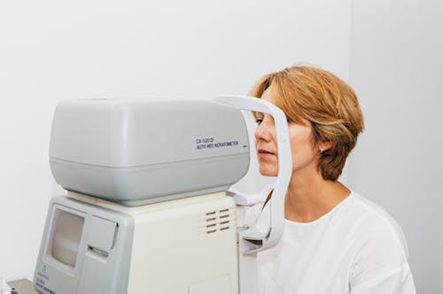
Eye exams detect far more than prescription changes. They reveal circulation patterns, nerve conditions, vessel health, and signs of inflammation. This explains why many people first learn of cholesterol issues, blood pressure concerns, or blood sugar problems through an exam rather than during a general checkup.
These exams give doctors a clear view of how your systems are functioning together. When changes appear in the retina or optic nerve, they often reflect broader processes happening across the body. This perspective supports early action, which is one of the most valuable benefits of understanding eye health and overall wellness in your daily life.
A Clearer Way To View Your Health
When you begin to view your eyes as messengers rather than isolated organs, your approach to personal health changes. You start to recognize that vision shifts rarely occur on their own. They reflect circulation, nerves, hormones, and immune responses. They encourage you to stay aware of your habits and patterns. They help you take a more informed role in your wellness.
And when you understand these signals, you feel more grounded in your choices. You gain confidence in knowing when something deserves attention. This connection builds trust in your body and strengthens your long-term commitment to eye health and overall wellness.
Conclusion
Healthy Vision Association encourages readers to stay aware of what their eyes may be trying to communicate. Regular exams and careful attention to visual changes are valuable for long-term wellness. The connection between eye health and the rest of the body offers practical guidance for anyone seeking a clearer understanding of their health path.