
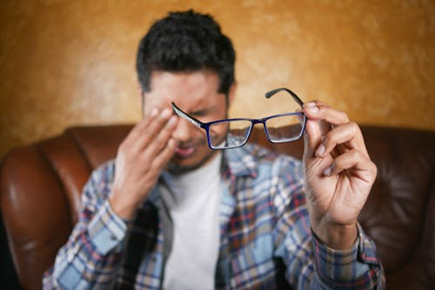
Your Eyes and Stress: How Anxiety Shows Up in Your Vision
Stress often makes itself known long before we acknowledge it. Sometimes it shows through tight shoulders or racing thoughts, and sometimes through our eyes when we least expect it. A flicker in the eyelid, a moment of blur, or a sudden sensitivity to light can feel random, yet these shifts often appear during periods of pressure.
Many people quietly wonder whether they should be worried when their eyes react during tense moments. That uncertainty can create a mix of discomfort and fear, especially when vision feels personal and deeply tied to how we move through daily life. These experiences highlight the close link between emotional health and vision, a connection many overlook until symptoms become noticeable.
The human body reacts strongly to stress. Heart rate rises, breath shortens, and muscles tighten. These physical responses can influence how the visual system functions. The eyes depend on steady signals, relaxed muscles, and balanced focus. When stress disrupts that balance, vision may shift in ways that feel unsettling. Understanding what causes these sensations can bring clarity. It also helps people feel less alone when stress and vision collide in confusing ways.
This connection is not imagined. It is part of how the nervous system communicates with the visual pathways. When pressure builds, the brain filters sensory information differently, and the eyes respond. This article explores why that happens, what people commonly feel, and how to steady the body when anxiety and eyesight begin to influence each other. Knowledge brings relief, and relief supports a clearer focus.
How Stress Shapes the Way You See
Stress activates a physiological response that primes the senses. This response was once helpful for survival, but today it often arises during work deadlines, financial worries, relationship tension, and unexpected challenges.
When this state persists longer than the body can comfortably tolerate, subtle shifts in the eyes may occur. Muscles around the eyes may tighten, blinking patterns may change, and focusing may require more effort. These changes explain why vision changes often happen during anxious periods and why they tend to resolve once the mind settles.
The brain processes vision with remarkable precision. When stress takes hold, it shifts our attention, often narrowing our focus and increasing our awareness of sudden movements or bright light. This hyper-alert state can make normal visual input feel intense, causing sensitivity that seems to appear out of nowhere. As the connection between emotional health and vision becomes strained, symptoms can begin with little warning.
Common Ways Stress Reveals Itself Through Your Eyes
People often experience similar symptoms during stressful periods. Even though the details differ from person to person, the underlying biology is surprisingly consistent. One of the most frequent complaints is temporary blurriness.
This often happens when the small muscles responsible for adjusting focus become tense. When these muscles work harder than usual, clarity suffers. This shift can happen while reading, working, or even during moments of worry. It is a common part of the interaction between stress and vision, and it usually improves once the tension eases.
Another frequent symptom is eyelid twitching. This can feel distracting, especially when it continues throughout the day. Nerve sensitivity increases under stress, which explains why eyelid muscles may pulse without warning. While harmless, the sensation can amplify anxiety and make people more aware of their physical tension. This cycle shows how anxiety and eyesight often reinforce one another until stress levels decrease.
Light sensitivity is another reaction tied to emotional strain. When the mind is tense, the visual system becomes more alert, and bright environments may feel overwhelming. Some people also experience headaches that settle behind the eyes.
These headaches often stem from tight facial muscles that contract during worry or prolonged concentration. The discomfort may intensify the perception of vision changes, even when the eyes themselves remain healthy.
Dryness is another common reaction. Stress can reduce tear production, leading to irritation or a burning sensation. This dryness may cause temporary blurring, and individuals may find themselves blinking more often to regain clarity. All of these experiences reflect the close bond between emotional health and vision, reminding us that stress affects both the mind and the systems that support sight.
The Biology Behind Stress-Related Vision Shifts
To understand these symptoms, it helps to consider the systems at work. Several key parts of the eye rely on relaxed muscles to function well. When stress enters the picture, the muscles around the eyes tighten. This tension affects alignment and focusing ability. Even slight tension can create brief doubling, strain during reading, or small shifts in clarity.
Blood flow also plays a role. During stressful moments, circulation is redirected to support fast reactions. That shift may leave the visual system with less oxygen for short periods. The result can be fatigue or pressure behind the eyes, which contributes to the need for eye strain relief. The brain itself also reacts. It receives visual information and interprets it. Under stress, it may amplify certain signals while suppressing others, intensifying light sensitivity or making normal visual input feel uncomfortable.
Nerve activity increases during stress as well. This creates faster, more reactive signals to the muscles responsible for blinking. The result is random twitching. The entire process illustrates how closely linked emotional health and vision are during tense periods.
Restoring Comfort When Stress Influences Sight
Improving these symptoms often begins with calming the mind. When pressure decreases, the eyes follow. One helpful strategy is to pause and shift focus away from near tasks for a short moment. This reset relaxes key eye muscles that tighten during intense concentration. Even brief pauses can break the cycle that strains the visual system and affects stress and vision patterns.
Warm compresses can bring comfort by relaxing the areas around the eyes. This simple step encourages circulation and helps reduce dryness. Breathing exercises can also create rapid relief by lowering heart rate and quieting the nervous system. When breathing steadies, tension in the face and neck eases, and this may improve anxiety and eye-related symptoms.
Limiting harsh lighting or adjusting screen brightness can reduce fatigue. The visual system responds well to small changes in the surrounding environment, and reducing strain gives the eyes room to recover. These simple methods support comfort and clarity when vision changes appear during stressful times.
Building Awareness of How Your Mind Influences Your Vision
Stress has a way of speaking through the body. The eyes often reflect this conversation, revealing tension before we consciously acknowledge it. Learning to read these signals can help people respond earlier and with greater compassion for themselves.
Recognizing that blurred vision may appear during a demanding week or that dryness may rise when sleep patterns shift allows for a more balanced response. These patterns show how strongly emotional health and vision interact, and they remind us that mental well-being shapes visual comfort.
People benefit from paying attention to their eyes not only when they hurt, but also when they hint at inner tension. These cues offer an opening to slow down, breathe, and release pressure. When emotional load is lighter, the visual system often feels steadier, clearer, and more consistent. Acknowledging this connection can support long-term wellness and reduce the fear that often arises when eye strain relief becomes a regular need.
Stress can cause discomfort, but it can also provide information. When people understand what their eyes are telling them, they gain a sense of control during moments that once felt confusing or alarming.
Conclusion
The link between the mind and the eyes is strong, and recognizing this connection can ease worry during stressful periods. When vision shifts during tense moments, the body is often responding to internal strain rather than signaling something dangerous. Anyone who wants to learn more about this connection or support their overall wellness can explore resources through the Healthy Vision Association, which offers guidance for those who value both sight and well-being.