
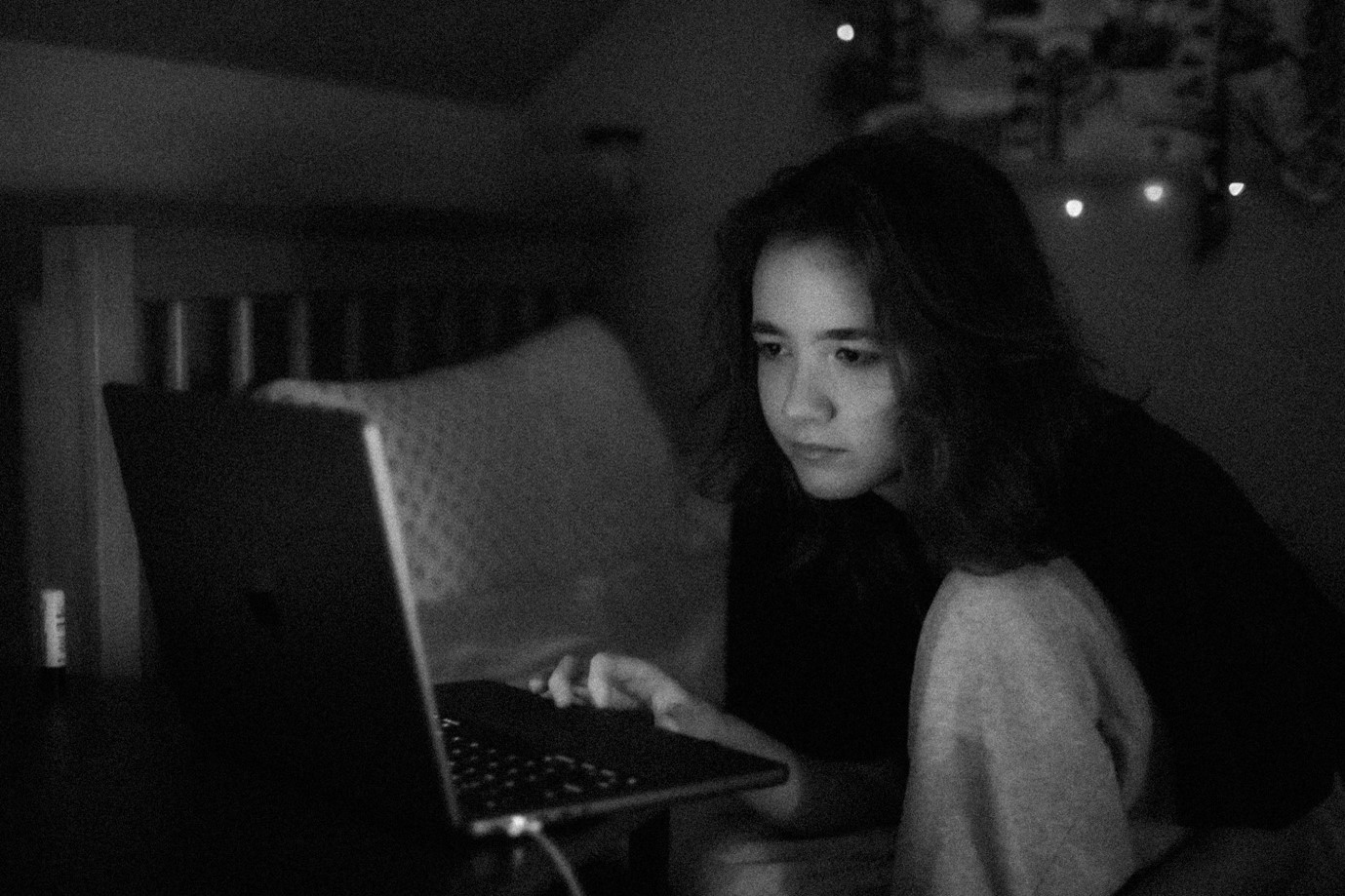
Screen Time and Your Eyes: Tips to Reduce Digital Eye Strain
We live in a digital world. Work, school, entertainment, social interaction—they all often involve using devices with screens. But extended screen time can take a toll on our vision and comfort, producing symptoms like dryness, headaches, blurred vision and fatigue.
Prioritizing eye health means understanding how to protect your eyes from digital overload and knowing when it’s time for an eye exam to rule out more serious problems.
What Is Digital Eye Strain? Causes and Symptoms
Digital eye strain (also called computer vision syndrome) refers to discomfort or vision problems that arise from prolonged use of digital screens. Some key causes include:
· Decreased blinking: When focusing on screens, people blink less, causing dryness and irritation.
· Glare and reflection: Bright lighting or reflections force your eyes to work harder.
· Poor posture and ergonomics: A badly positioned screen or holding devices too close can strain both eyes and body.
· Blue light exposure: Screens emit blue light, which may contribute to discomfort and disturb sleep cycles.
· Close focus for long periods: Near work without breaks tires the focusing muscles in the eyes.
Common symptoms of digital eye strain include:
· Dryness, burning, or watery eyes
· Blurred or fluctuating vision
· Headaches after screen use
· Neck, shoulder, or back pain from posture
· Sensitivity to light or difficulty refocusing between distances
How Much Screen Time Is Too Much?
There’s no single threshold that fits everyone, but long uninterrupted hours are the main risk factor. Adults often spend eight or more hours daily on screens for work, then add leisure screen use on top. Children face even higher risks since their eyes are still developing.
In general:
· Try to limit continuous screen use to manageable chunks, with breaks every hour.
· For children, balance screen activities with plenty of outdoor play to support healthy visual development.
· For all ages, remember that symptoms of eye strain usually worsen with longer sessions of unbroken use.
Practical Tips to Reduce Eye Strain during Screen Time
Protecting your vision doesn’t require eliminating devices. Small adjustments can make a big difference in eye health:
| Tip | Why it works
| 20-20-20 rule | Every 20 minutes, look at something 20 feet away for 20 seconds. This relaxes focusing muscles.
| Blink often | Blinking spreads tears across the eyes, preventing dryness.
| Optimize workspace | Keep screens at arm’s length and slightly below eye level. Reduce glare with curtains or diffused lighting.
| Adjust settings | Increase text size, lower brightness, or use blue light filters to reduce strain.
| Take regular breaks | Stand, stretch, and move every hour to reduce fatigue.
| Moisturize and hydrate | Use artificial tears if needed, and avoid dry environments.
When to Schedule an Eye Exam
Even with good habits, sometimes symptoms persist. That’s when a professional eye exam becomes essential. You should schedule one if:
· Blurry or double vision continues despite breaks
· Headaches and dry eyes occur daily after screen use
· Your prescription glasses or contacts no longer feel effective
· Children show signs like squinting, avoiding reading, or complaining of headaches
· You haven’t had a routine exam in over a year or two
A comprehensive exam checks not only your prescription but also eye movement, focusing ability, tear film quality, and retinal health. This ensures any underlying issues are identified and treated early.
Long-term effects of excessive screen time
Too much screen time isn’t just about short-term fatigue. Over years, it may contribute to:
· Increased risk of myopia (nearsightedness), especially in children
· Persistent focusing or convergence problems
· Worsened dry eye syndrome
· Sleep disturbance due to late-night blue light exposure
Balancing screen use with outdoor activity, regular exercise, and healthy habits helps reduce these risks.
Lifestyle Balance for Healthier Eyes
Since digital devices are essential to modern life, the goal is not to eliminate them but to build balance:
· Limit recreational screen use before bedtime
· Encourage kids to play outdoors daily
· Use “no screen” times, like during meals or family activities
· Set devices to night mode in the evening to support healthy sleep
· Create reminders to take breaks during work or study sessions
Protecting kids and teens from screen time overload
Children and teenagers spend more hours on digital devices than ever before. While some of that use is necessary for school and communication, too much screen time can affect developing eyes.
A few simple steps can help:
· Encourage outdoor play: Time outside gives eyes a chance to focus on distant objects and reduces the risk of nearsightedness.
· Set healthy limits: Create screen-free times, like during meals or before bed, to give eyes a rest.
· Check posture and distance: Kids often hold devices very close, which adds to eye strain. Encourage them to keep screens at arm’s length and at eye level.
· Watch for warning signs: Squinting, frequent headaches, or rubbing the eyes can signal that it’s time for an eye exam.
· Limit screens at night: Blue light from phones and tablets can interfere with sleep cycles. Encourage reading or non-digital activities before bed.
· Use larger screens for study: For schoolwork, a laptop or desktop is easier on the eyes than a phone screen.
Parents and teachers play a key role in spotting problems early. Supporting balanced screen habits now helps children avoid unnecessary eye strain and sets them up for healthier vision as adults.
Take Control with an Eye Exam & Protect Your Eye Health
We rely on digital devices more than ever, but extended screen time without healthy habits can increase the risk of eye strain and long-term vision issues. Simple changes—like taking regular breaks, adjusting posture, and optimizing screen settings—help, but nothing replaces the value of a professional eye exam.
That’s where the Healthy Vision Association can support you. By becoming a member, you gain access to trusted resources, preventive care information, and savings that make prioritizing your eye health easier. Don’t wait until discomfort becomes a problem—partner with the Healthy Vision Association today to protect your eyes for the future.